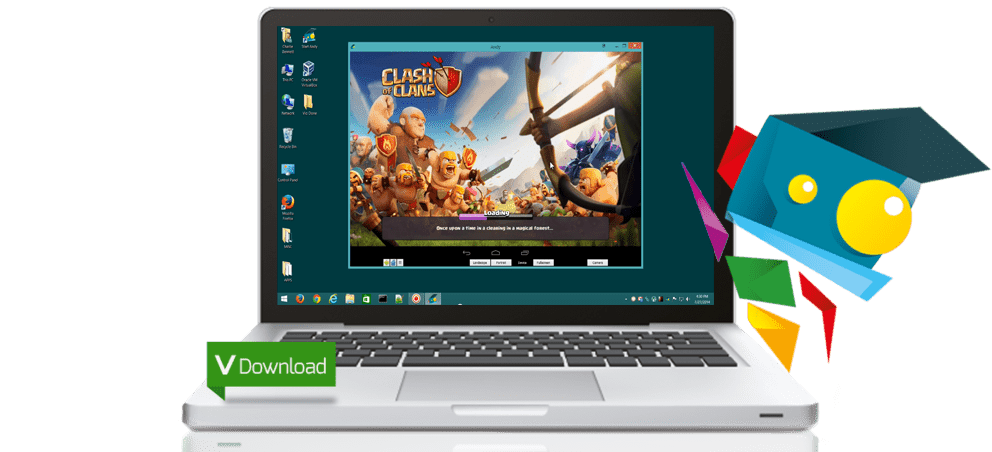
Unlock Your Android World on Windows 11: A Deep Dive into Andy Emulator
In an increasingly mobile-first world, the lines between our various devices often blur. While smartphones offer unparalleled portability, there are times when the comfort of a larger screen, precise keyboard and mouse controls, and the multitasking power of a desktop PC become irresistible. This is where Android emulators step in, and among the robust options available, Andy Android Emulator stands out as a powerful solution for seamlessly running your favorite Android apps and games directly on your Windows 11 computer. Imagine playing your demanding mobile games with superior graphics or using essential productivity apps without ever having to pick up your phone – Andy makes this a reality.
This comprehensive guide will walk you through everything you need to know about Andy Android Emulator, from understanding its core functionality to a step-by-step installation process and tips for optimizing your experience. We'll explore how this versatile tool can transform your Windows 11 PC into a virtual Android powerhouse, enhancing both your productivity and entertainment.
What is Andy Android Emulator and Why Use It?
At its core, Andy Android Emulator is a sophisticated software application that simulates the Android operating system within your Windows 11 environment. It effectively creates a "virtual Android device" on your computer, allowing you to install, launch, and interact with Android applications as if you were using a physical smartphone or tablet. This isn't just about mirroring your phone screen; it's about providing a fully functional Android interface that operates independently on your PC.
The utility of such a tool is vast and varied, catering to a diverse range of users:
*
For Gamers: One of the most common motivations for using an emulator is to play mobile games on a larger display. Imagine commanding your in-game characters with the precision of a mouse and keyboard, rather than finicky touch controls. Games become more immersive, and competitive titles gain an edge. Perhaps you want to track live scores or watch highlights of your favourite players, maybe even *Andy Robertson Liverpool* matches, directly on your PC screen without constantly checking your phone.
*
For Developers: App developers find emulators indispensable for testing their applications across various Android versions and device configurations without needing a physical device for each iteration. Andy provides a stable testing ground, speeding up the development cycle.
*
For Power Users & Multitaskers: Emulators enable you to access Android-only tools or use specific mobile apps without constantly switching between your phone and PC. You can run a mobile-specific app alongside your desktop applications, enhancing workflow efficiency. Keep an eye on social media feeds, messaging apps, or even specific player statistics, like those from *Andy Robertson Liverpool*, all from your Windows desktop.
*
For Casual Users: Perhaps you simply prefer the comfort of your PC for certain tasks, or your phone's battery is low, or you just enjoy the larger screen real estate. Andy offers the flexibility to run any Android app from the Google Play Store on your desktop.
By recreating the complete Android ecosystem, Andy liberates your mobile experience from the confines of your handheld device, bringing it to the robust platform of your Windows 11 PC.
Key Features for an Enhanced Android Experience
Andy Android Emulator isn't just about making Android apps run; it's about making them run *well* and offering features that improve the overall experience. Here are some of its standout capabilities:
*
Full Android Interface on Your PC: Andy doesn't just display an app; it presents a complete Android home screen, complete with widgets, app drawers, and notification shades, mirroring the experience of a physical Android device.
*
Google Play Store Access: Directly integrated with the Google Play Store, Andy allows you to browse, download, and install any app or game available, just as you would on your smartphone. All your purchased apps are accessible.
*
Keyboard and Mouse Controls: This is a game-changer for many. Navigate menus, type messages, and control games with the familiarity and precision of your keyboard and mouse, offering a significant advantage over touchscreens, especially in fast-paced games.
*
App Synchronization Between Devices: Andy offers synchronization capabilities, meaning your apps and progress can be synced between your virtual Android instance and your physical mobile device. This ensures a seamless transition between platforms.
*
Support for Notifications and Messaging Apps: Receive Android notifications directly on your Windows desktop, allowing you to stay connected and responsive without needing to glance at your phone. Messaging apps work just as they would on a mobile device.
*
OpenGL Hardware Support: Leverages your PC's graphics hardware for smoother performance, especially crucial for graphically intensive games.
*
Controller Support: Many popular game controllers can be mapped and used with Andy, providing console-like gaming on your PC for Android titles. This greatly enhances the gaming experience, making it feel more native to the desktop.
*
Seamless File Transfer: Easily drag and drop files between your Windows system and the virtual Android environment, simplifying tasks like sharing photos, documents, or media.
These features collectively allow you to utilize Android applications in a manner that often surpasses the experience on a mobile device, particularly for activities requiring precision, sustained interaction, or a larger visual canvas. For more insights into these features, you can check out
Virtual Android on Windows: Explore Andy Emulator Features.
Getting Started: Installing and Using Andy Emulator on Windows 11
Before you dive into the world of virtual Android, it's crucial to ensure your system meets the necessary requirements and to understand the installation process.
System Requirements:
While Andy is designed to be accessible, it's an emulator, meaning it requires significant system resources to run smoothly.
*
Operating System: Windows 11 or Windows 10 (64-bit recommended).
*
Processor: A multi-core processor (Intel or AMD) with virtualization technology enabled in your BIOS/UEFI. This is critical for performance. Look for settings like "Intel VT-x," "AMD-V," "Virtualization Technology," or "SVM Mode."
*
RAM: A minimum of 4 GB of RAM. For optimal performance, especially when running demanding apps or multiple applications, 8 GB or more is highly recommended.
*
Storage: At least 10 GB of free disk space for the installer and the virtual disk image. More space will be needed if you plan to install many apps and games.
*
Graphics: A modern GPU with up-to-date drivers. OpenGL ES 2.0 capable graphics card is a typical requirement for emulators.
Installation Steps:
1.
Download the Installer: Begin by downloading the official Andy Android Emulator installer from its reputable website. Always prioritize the official source to avoid potential malware or outdated versions.
2.
Run the Installer: Locate the downloaded installer file (usually an .exe) and double-click to run it. You may need administrator privileges to proceed.
3.
Follow On-Screen Instructions: The installation wizard will guide you through the process. Accept the terms and conditions, choose your installation directory (default is usually fine), and allow the program to install any required components. This might include virtual machine drivers or other prerequisites. The installation can take several minutes, depending on your system's speed and internet connection.
4.
First Launch: Once installation is complete, open Andy Android Emulator from your desktop shortcut or Start Menu. The first launch will involve setting up the virtual Android environment, which may take a few moments. You'll eventually be presented with an Android home screen, much like a brand-new smartphone.
5.
Google Account Setup: To access the Google Play Store and install apps, you'll need to sign in with your Google account. This is a standard Android setup process.
6.
Install Apps: Open the Google Play Store icon within the emulator, search for your desired apps or games, and click "Install." They will download and install within the virtual Android environment, ready for you to use.
You're now ready to run Android apps directly on your Windows 11 PC, experiencing a new dimension of mobile computing.
Maximizing Your Andy Emulator Experience: Tips and Considerations
While Andy Emulator offers a robust platform, a few tips can help you get the most out of it and address potential limitations.
Optimizing Performance:
*
Enable Virtualization: As mentioned in the requirements, ensure Intel VT-x or AMD-V is enabled in your BIOS/UEFI. This is the single biggest factor for emulator performance.
*
Allocate Resources: Some emulators allow you to manually adjust the CPU cores and RAM allocated. If Andy allows this in its settings, assigning more resources (without over-allocating what your PC needs for its own operations) can significantly improve speed.
*
Close Background Applications: Running multiple demanding applications simultaneously will strain your system resources. Close unnecessary programs on your Windows desktop when using Andy, especially for gaming.
*
Update Graphics Drivers: Ensure your graphics card drivers are up to date. Manufacturers frequently release updates that improve performance and compatibility.
*
Disk Space: Keep sufficient free disk space. A full hard drive can slow down your entire system, including the emulator.
*
Regular Updates: Keep Andy Emulator itself updated to the latest version. Developers often release performance enhancements and bug fixes.
Potential Limitations:
*
Resource Usage: Emulators are resource-intensive. You might notice higher CPU and RAM usage when Andy is running, which can impact overall system responsiveness if your PC has minimal specifications.
*
Performance Overhead: While powerful, an emulator will rarely match the native performance of a dedicated Android device, especially for extremely demanding games. There might be a slight input lag or frame rate drop in the most intensive scenarios.
*
Compatibility: While most apps work, very specific hardware-dependent apps (e.g., those relying on unique camera features or GPS accuracy) might not function perfectly.
Security and Best Practices:
*
Official Downloads: Always download Andy Emulator from its official website to avoid modified versions that could contain malware.
*
Google Account Security: Use a strong password for your Google account and consider enabling two-factor authentication, just as you would on a physical device.
*
Privacy Settings: Review Android's privacy settings within the emulator, just as you would on your phone.
By following these guidelines, you can ensure a smooth, secure, and highly productive experience with Andy Android Emulator. Whether you're a casual user wanting to browse social media on a bigger screen, a developer rigorously testing an app, or a gamer seeking an edge, Andy provides a robust and reliable platform. To further explore the capabilities and practical uses of this emulator, delve into
Andy Emulator: Play Android Games & Use Apps on Your Windows PC.
Conclusion
Andy Android Emulator offers a powerful and accessible bridge between the Android and Windows 11 ecosystems. It empowers users to leverage the vast library of Android applications and games directly from their desktop, combining the flexibility of mobile apps with the robust performance and convenience of a PC. From enhanced gaming experiences to streamlined productivity and development testing, Andy provides a comprehensive virtual Android environment that caters to a wide array of needs. By understanding its features, meeting system requirements, and following best practices, you can unlock a world of mobile possibilities right on your Windows 11 machine. Dive in and redefine how you interact with your digital world.